


FAQ
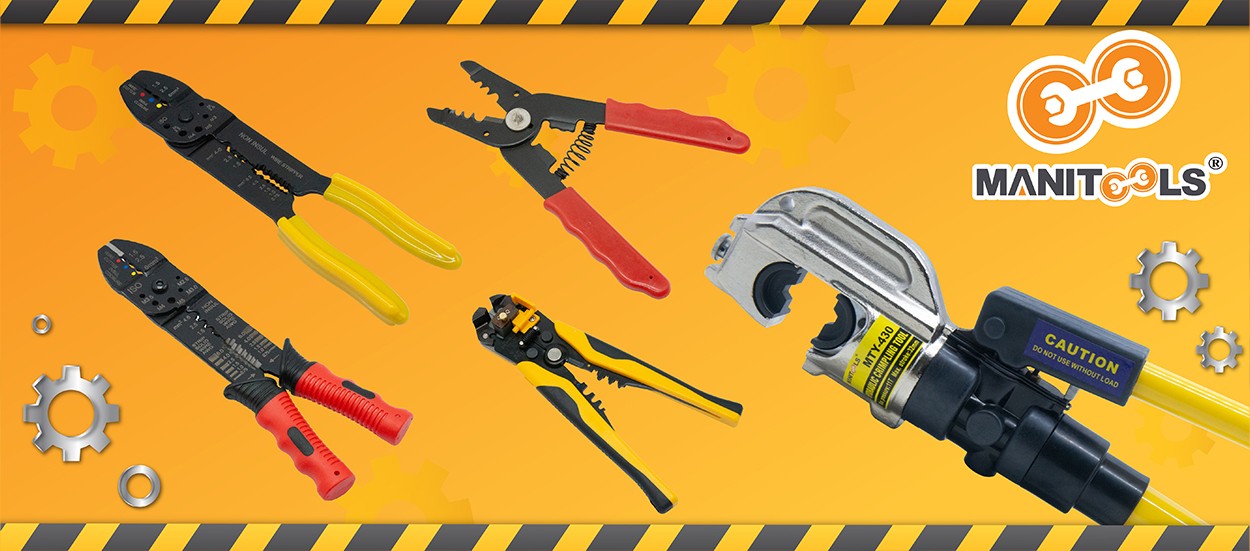
Q1: Are rubber-handled tools the same as insulated tools?
A: No. Rubber grips help with control, but certified insulated tools are designed and tested for electrical safety and have a stated voltage rating.
Q2: Why do some cutters feel hard to use?
A: Usually due to blade quality, jaw alignment, pivot design, or poor leverage. A well-built cutter should feel smooth and efficient.
Q3: Are lighter tools always better?
A: Lighter tools reduce fatigue, especially overhead, but extremely light tools can be less durable. Choose the best balance for your work style.
Q4: How should I care for insulated tools?
A: Store them separately, avoid sharp impacts, keep insulation clean, and stop using them immediately if the insulation is damaged.
Q5: My crimp is tight—why does it still get hot?
A: Often the die profile or terminal size is wrong, or the contact at the terminal block isn’t tight. Check both the crimp and the final connection point.
Q6: Do I really need ferrules for stranded wire?
A: If you frequently terminate stranded wire under screw clamps, ferrules help prevent strand break-out and improve consistency.
Q7: Can I crimp again if it feels loose?
A: Random re-crimping can distort the barrel. Verify die/terminal selection first and re-terminate correctly if needed.
You must choose tools that suit the job and prioritize safety. A rubber grip is not the same as certified insulated tools. Good cutting pliers should cut smoothly without crushing the wire, and comfortable tools must still be balanced with durability. No matter how good the tools are, they must be used with proper safety procedures and maintenance. Likewise, wire crimping may seem minor but has a major impact—using the right tools and techniques ensures secure, safe, and professional connections.
#Manitools Your Trust Tools.
By CMS
58 Views
Recent View News
Choosing the Best Electrical Tools: A Practical Guide from a Working Electrician
Electrician's Tool Buying Checklist: Smart Tips Before You Pay