


Choosing the Best Electrical Tools: A Practical Guide from a Working Electrician
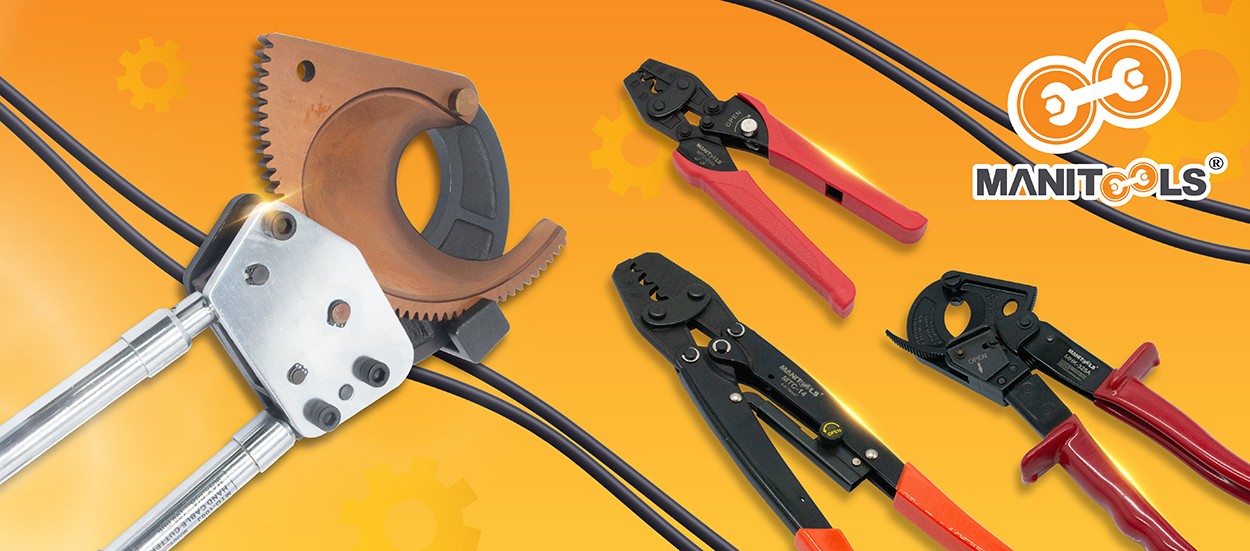
Choosing the Best Electrical Tools: A Practical Guide from a Working Electrician Buying electrical tools isn’t just about grabbing the first kit you see or choosing the cheapest option. In real work—tight panels, overhead runs, dusty sites, and long days—tool quality shows immediately. The right tools help you work faster, reduce fatigue, and most importantly, keep you safer. Here’s a clear, electrician-to-electrician guide on what to consider before you invest in your next set of tools.
1) Start with the Work You Do Most Often
Electrical tools exist in many shapes for one reason: each tool is designed for a specific job. A “do-it-all” tool might work in a pinch, but it rarely performs as well as a purpose-built tool.
Before you buy, think about your typical jobs:
- Residential installation and wiring: cutting, stripping, terminating, fastening
- Industrial maintenance: durability, strong grip, tools that hold up under heavy use
- Control cabinets / MDB panels: safety and insulated tools matter more
- On-site field work: portability, weight balance, fast access
2) Safety First: Don’t Confuse “Rubber Grip” with “Insulated Tools”
A standard rubber handle helps with grip, but it is not the same as a certified insulated tool for electrical work. If your work brings you close to live systems or high-risk environments, you should look for tools with a clear insulation rating—commonly 1000V insulated tools for professional electrical work.
What to check:
- The tool is clearly labeled Insulated and shows a voltage rating (e.g., 1000V)
- The manufacturer provides testing/standard information (the clearer, the better)
- The insulation is in perfect condition—no cracks, cuts, chips, or wear
3) Performance That Matters: Sharp Cutting and Efficient Force
For cutting tools—especially cable cutters—poor blades cost you time and energy. If you have to squeeze hard or cut twice, you’re working slower and stressing your hands and wrists.
Look for:
- High-quality, hardened steel blades (better edge retention)
- Tight jaw alignment (no wobble, no gap when closed)
- Smooth cutting action that doesn’t crush the cable
- For larger cables, a design that supports better leverage or reduced effort
4) Comfort and Grip: Tools Should Work With You, Not Against You
Electricians rarely work in perfect positions. You’re often reaching, working overhead, squeezing in tight spaces, or handling tools for hours.
A better tool should provide:
- An ergonomic handle that feels natural in the hand
- A non-slip surface (even with sweat or gloves)
- Balanced weight—no heavy head or awkward pull
- Less pressure on your palm during repeated cutting or crimping
5) Durability: Job Sites Are Hard on Tools
Tools face dust, humidity, oils, and constant transport. A reliable tool should stay solid over time, not loosen up after a few weeks.
Check for:
- Corrosion resistance (especially for humid environments)
- Strong joints and pivots that don’t develop play
- Quality coating or finishing that doesn’t wear off quickly
- A “solid” feel—no rattling, bending, or flex where it shouldn’t
6) Fit the Space: Panels, Tight Corners, and Overhead Work
A tool can be excellent on paper but frustrating in real conditions if it’s too long, too bulky, or hard to control.
Think about your working environments:
- Inside panels: compact tools are easier to control
- Overhead work: lighter tools reduce fatigue faster
- Low light areas: easy-to-spot handles and quick access matter
7) Storage and Carry: Easy Access Helps You Work Faster
Better organization isn’t just neat—it saves time and reduces tool loss.
Consider:
- Tool belts or waist pouches for mobile work
- Organized toolboxes with compartments for larger sites
- Separate storage for insulated tools to prevent insulation damage from sharp metal items
8) Value: Think “Cost Per Use,” Not Just Price
The cheapest tool can become the most expensive if it breaks early, slows you down, or causes rework. Value comes from long-term performance.
Ask yourself:
- How often will I use it?
- Will it reduce my work time or improve quality?
- Does it reduce fatigue and risk?
- Is there reliable product info, support, or warranty?
Good tools don’t replace skill—but they make your work safer, faster, and cleaner. Start by upgrading the tools you touch every day, then build out the rest of your kit based on the jobs you do most.
#Manitools Your Trust Tools.
By CMS
51 Views
Recent View News
Choosing the Best Electrical Tools: A Practical Guide from a Working Electrician
Electrician's Tool Buying Checklist: Smart Tips Before You Pay